
Share:


In today’s flow control and valve actuation landscape, operators are under increasing pressure to respond quickly to changing process demands while maintaining reliability and minimising downtime. Across industries such as oil and gas, power, water, and chemicals, the need for faster delivery, greater flexibility, and optimised maintenance strategies is reshaping expectations of actuator suppliers and distributors alike.
Traditional fluid power actuation, especially large scotch-yoke actuators, has long posed challenges in this environment. These systems need to be configured for numerous variables, such as valve torque requirements, process pressures, instrument air supply conditions, and ambient operating temperatures. Consequently, actuator specifications often differ greatly, making it impractical for distributors to hold comprehensive stock. This typically leads to long lead times, limited availability, and inefficiencies in maintenance, repair, and overhaul (MRO) operations.
Rethinking actuation through modularisation
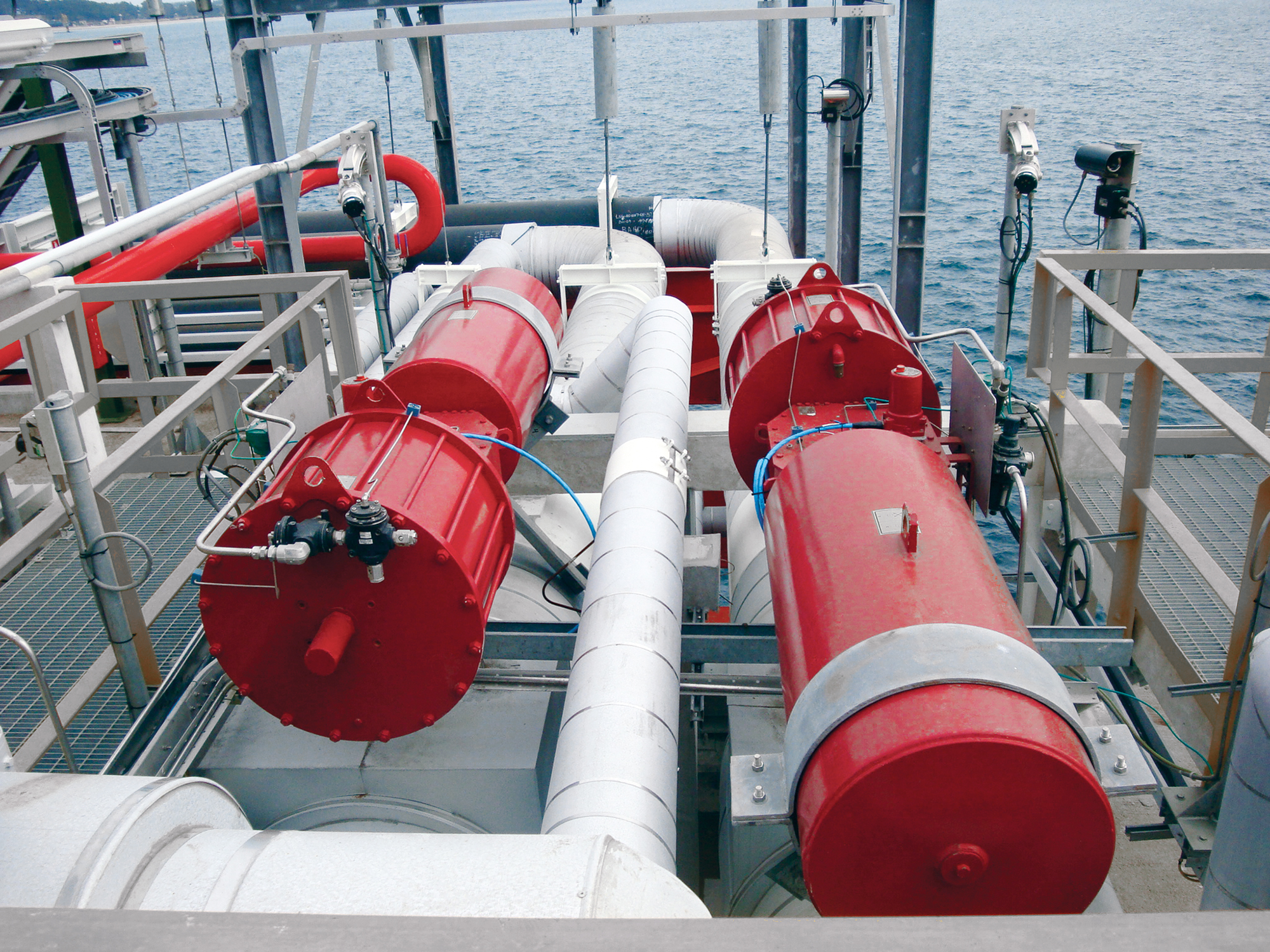
Modularisation is emerging as a practical solution to these long-standing challenges. By breaking down a traditional actuator into its core functional components, namely the centre body, spring canister, and the pneumatic or hydraulic cylinder, it becomes possible to standardise key elements while retaining full configurability. This approach fundamentally changes how actuators are stocked, specified and delivered.
Instead of holding complete units configured for specific applications, suppliers can maintain a smaller inventory of interchangeable modules. These modules can then be assembled into a wide range of actuator configurations as required.
The technical implications are straightforward yet significant. Modular architecture provides design repeatability, enables the standardisation of interfaces, and simplifies maintenance. At the same time, it preserves the ability to tailor actuator performance to precise operating conditions. Achieving this balance between standardisation and flexibility is central to meeting modern industrial requirements.
Addressing the MRO challenge
One of the most immediate benefits of modularisation is improved responsiveness in MRO scenarios. In many facilities, actuator failure or degradation must be resolved quickly to avoid production losses or safety risks. However, replacement units, particularly in larger torque ranges, can be subject to extended lead times.
By holding modular components rather than complete assemblies, distributors and service providers can quickly assemble and deliver replacement actuators locally, often within significantly shorter timeframes. This capability not only reduces downtime for end users but also improves overall asset availability.
From an operational perspective, the modular approach also simplifies logistics. Instead of managing a large and complex inventory of complete actuator variants, companies can focus on a structured set of core components that can be combined as needed.
Enabling local assembly and configuration
A key feature of modular actuator systems is the ability to assemble complete units closer to the point of use. Modular platforms are designed so that core components are supplied ready for assembly, standardised fasteners, and protective finishes. This eliminates the need for additional preparation work.
This design philosophy supports consistent assembly processes and reduces the risk of variation between builds. Training programmes and defined procedures for assembly, testing, and verification ensure that locally assembled actuators meet the same standards as factory-built units.
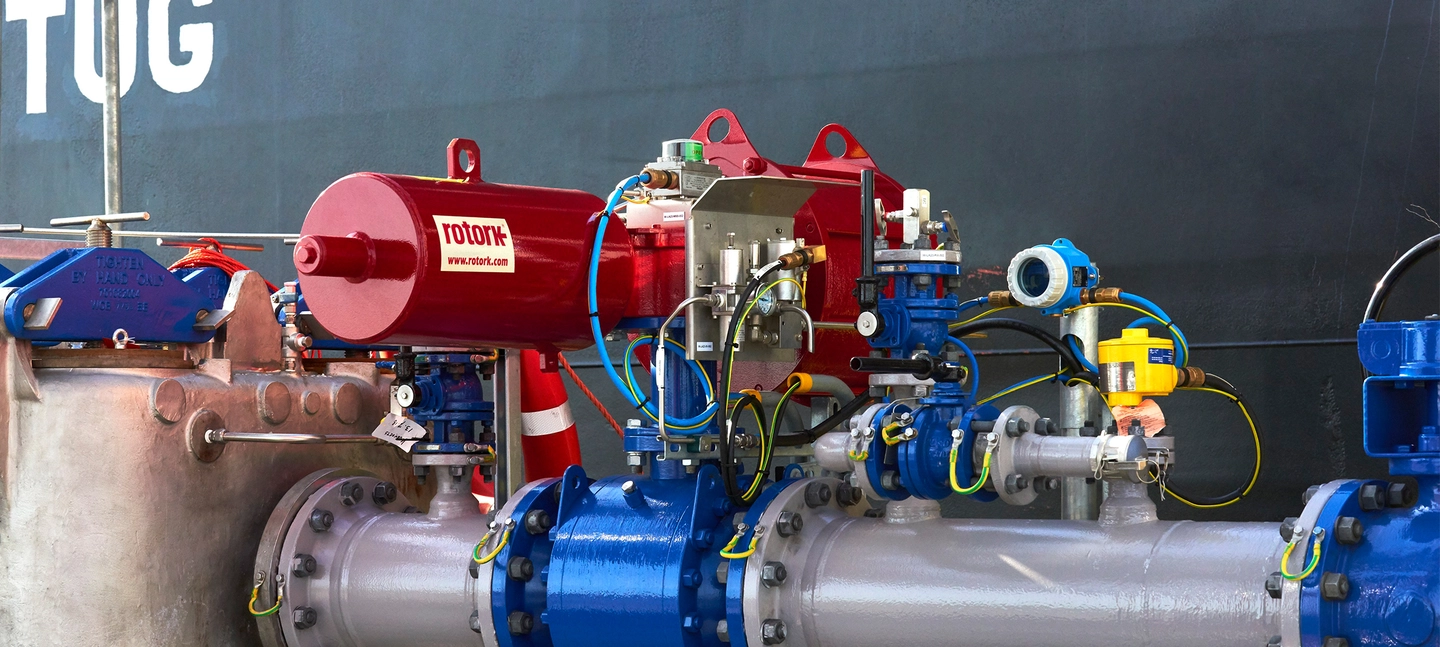
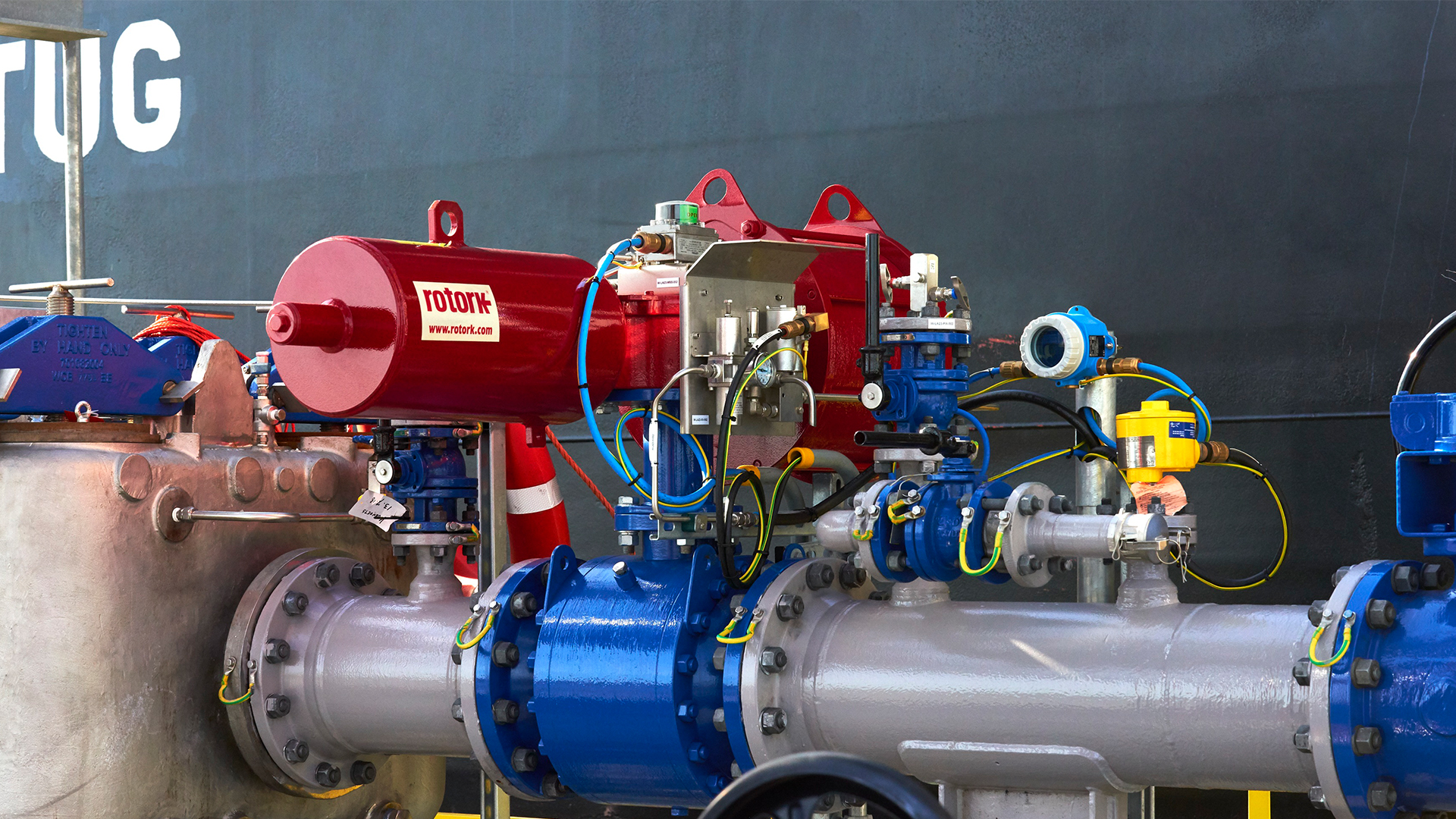
Equally important is the ability to integrate control systems. Modular actuation extends beyond mechanical components to include instrumentation such as solenoid valves, positioners, switch boxes, filter regulators, and integrated air management manifolds. These products can be configured into bespoke control systems alongside the actuator, allowing application-specific solutions to be built from standardised components.

One example is the use of modular manifolds to consolidate the equipment used for controlling instrument air to and from an actuator. By combining these components into a single assembly, the manifold reduces the complexity associated with conventional control panels, eliminating much of the tubing, fittings and pipework typically required. This creates a more compact, lightweight solution while reducing assembly time and simplifying maintenance.
By reducing the number of interconnecting tubes, fittings and directional changes in the air path, integrated manifolds can also improve airflow efficiency. This can enable the use of smaller ancillary components while maintaining actuator performance, contributing to a cost-effective system design.
The benefits go beyond the initial installation. Standardised manifold assemblies can be supplied, maintained and replaced using a single part number, simplifying procurement and reducing maintenance complexity. This approach also supports planned asset lifecycle programmes, where replacement manifolds can be exchanged during scheduled shutdowns and refurbished off-site, helping to minimise on-site labour requirements, reduce downtime, and improve long-term maintainability.
The role of digital tools
As actuator systems become more configurable, the role of digital tools becomes increasingly important. Web-based sizing and selection platforms allow engineers to define actuator requirements based on process conditions, valve data, and performance criteria. Within a modular framework, these tools can help identify optimal configurations based on available inventory. This ensures that selected solutions are not only technically appropriate but also aligned with stock availability, supporting faster turnaround.
A secure portal enables traceability, serial number generation, and streamlined documentation, supporting full quality assurance and alignment with global standards.
Commercial and supply chain implications
Beyond the technical advantages, modularisation offers a number of commercial and supply chain benefits. For distributors, it reduces the capital required to hold stock, as fewer modules can support a wider range of configurations. This lowers financial risk while increasing the ability to respond to diverse customer requirements.
For manufacturers, modularisation supports more efficient production planning and inventory management. Standardised modules can be produced in higher volumes, while final assembly is deferred until the specific requirements are known.
The approach also strengthens collaboration across the supply chain. Sharing installed base data, defining inventory strategies, and aligning on target markets enables more coordinated engagement with end users. This can improve forecasting accuracy and ensure that the right products are available in the right locations.
Supporting performance and reliability
While flexibility and speed are important, performance and reliability remain fundamental. Modular actuator designs maintain the core characteristics needed for demanding applications, such as high torque output, robust construction, and suitability for challenging environments.
Standardisation within the modular architecture supports consistent quality. Features such as pre-protected surfaces, stainless steel fasteners, and standard seal materials reduce variability and simplify maintenance.
Testing and certification processes are also integral to the approach. Defined procedures for assembly, spring balance testing, and functional verification ensure that each actuator meets required performance criteria before deployment.
A scalable model for evolving industries
Industrial processes continue to evolve, with increasing emphasis on efficiency, digitalisation, and lifecycle management. Actuation systems must adapt accordingly, providing not only mechanical performance but also support for faster deployment and easier integration into broader automation strategies.
Modularisation aligns closely with these trends. It provides a scalable framework that can accommodate changing requirements, whether through the addition of new modules, integration of advanced instrumentation, or adoption of digital tools for configuration and monitoring.
At a broader level, the approach reflects a shift towards more agile and resilient supply chains. By enabling local assembly, reducing dependency on fully configured factory builds, and improving inventory utilisation, modular systems can help organisations navigate uncertainty more effectively.
Conclusion
Modular fluid power actuation is a strategic answer to current industry challenges, balancing standardisation and flexibility to drive operational and technical advantages. For end users, this translates into faster response times, improved availability, and reduced downtime. For distributors and system integrators, it enables a more efficient use of inventory and greater responsiveness to market demands.
As the industry continues to prioritise speed, reliability and adaptability, modularisation offers a practical pathway to delivering high-performance actuation solutions in an increasingly demanding environment.
Published in Valve World magazine, September 2026