
Share:


Intelligent actuators can deliver far more than reliable valve operation. Dave Godfrey explains how advances in connectivity, diagnostics and data collection can enable operators to gain a better understanding of valve actuation performance, support maintenance decisions and improve asset management strategies.
Modern intelligent electric actuators can capture and store a wide range of operational information through an integrated datalogger, including torque profiles, temperature readings, vibration levels and event history. These data logs provide valuable insight into asset performance and condition, helping engineers improve reliability, reduce maintenance costs and maximise asset availability.
As industries embrace digital technologies, access to data is becoming a key focus of operational efficiency. By combining asset connectivity with actionable insights, operators can gain greater visibility of their assets and make informed decisions based on equipment condition rather than assumptions.
Simplifying connectivity
Access to asset data starts with reliable connectivity. Traditionally, obtaining diagnostic information from field equipment has required additional hardware, gateways and more complex network architectures.
Integrated Ethernet technology has simplified this process by enabling direct communication between intelligent actuators and broader control systems. By removing the need for separate gateway devices, installation can be streamlined, hardware requirements are reduced, and commissioning is accelerated.
The IQ3 Pro integrated Ethernet actuator from Rotork, for example, supports widely adopted industrial communication protocols, including EtherNet/IP, Modbus TCP and PROFINET. This ensures straightforward integration into existing control environments, while providing the flexibility required for modern automation systems. Supporting certifications such as PI and ODVA, along with GSDML and EDS files, also helps simplify deployment and interoperability.
High-speed communications play an important role in making sure that data can be collected efficiently and made available when needed. Integrated Ethernet technology supports data transfer rates of up to 100 Mbps, enabling access to larger volumes of operational information more quickly.
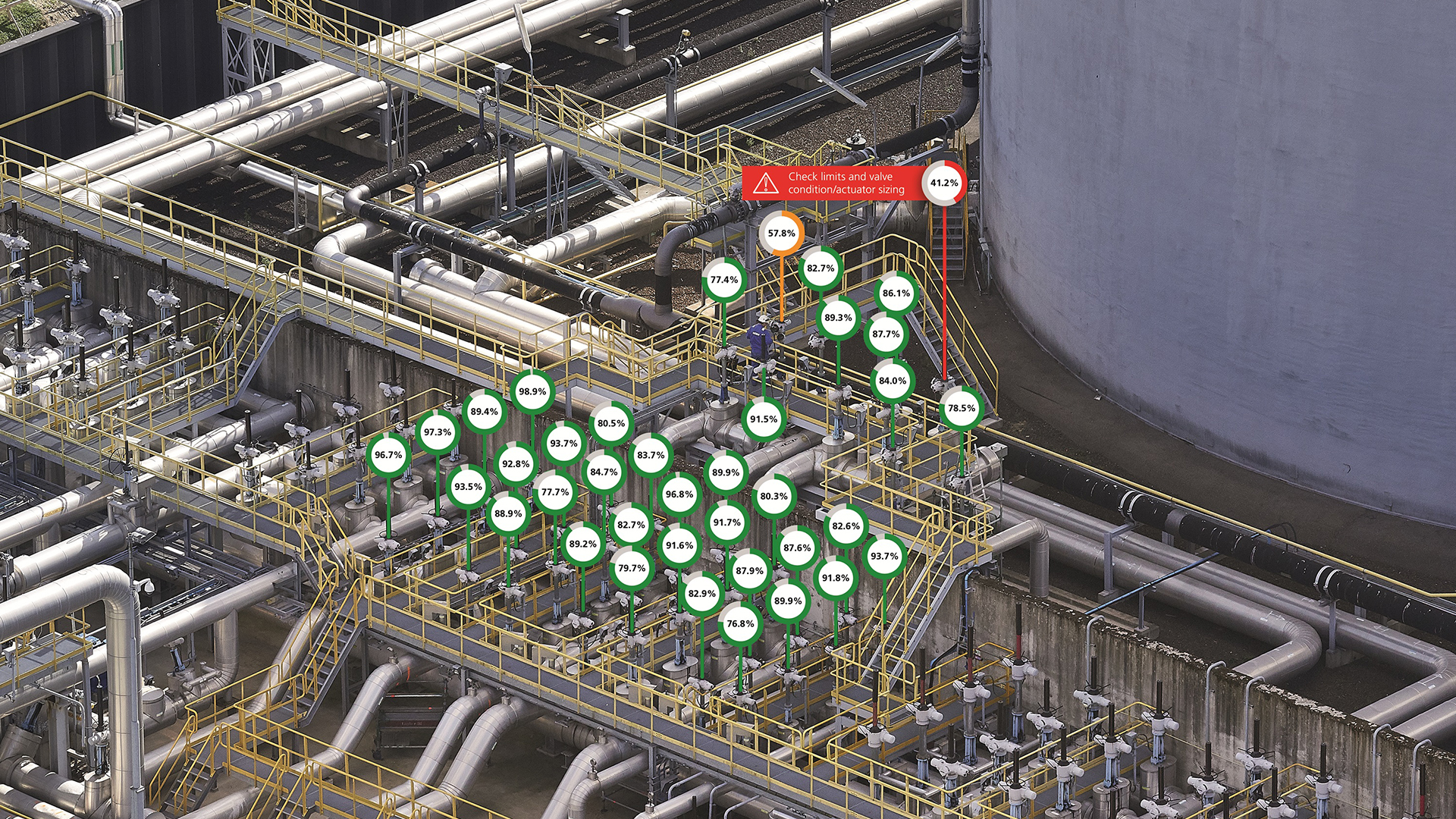
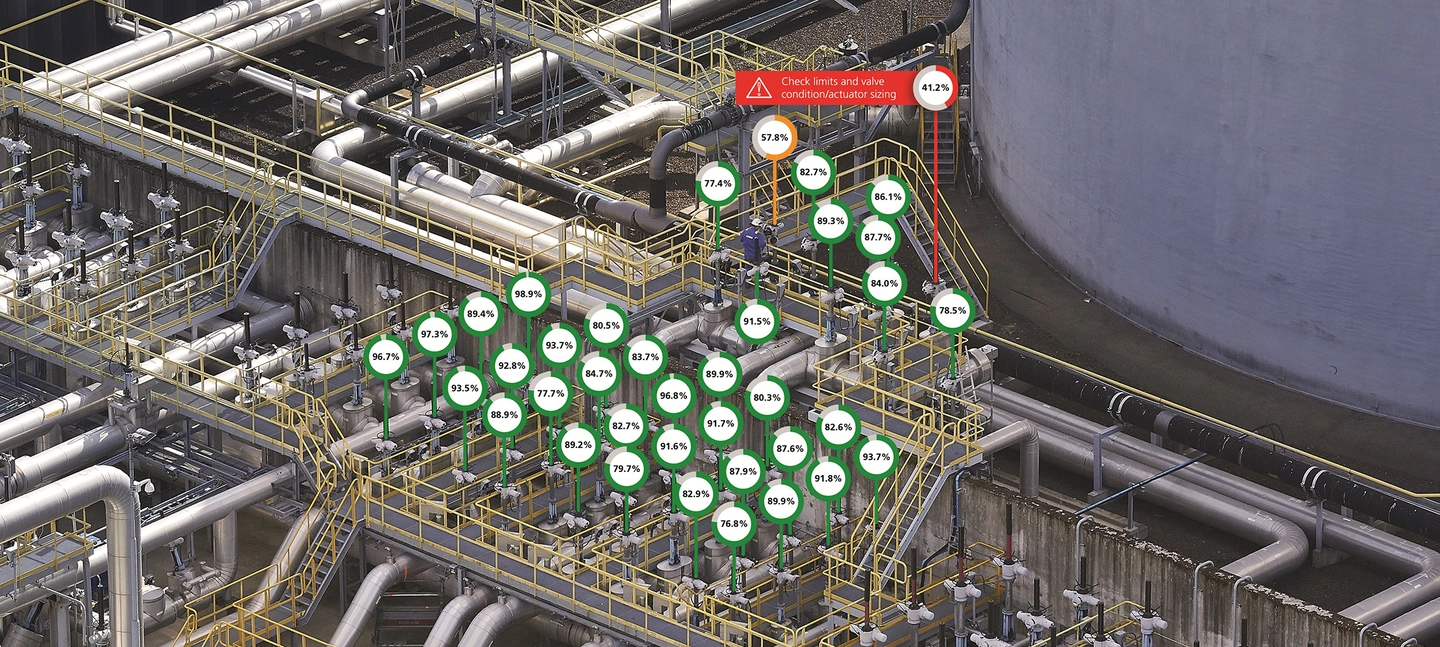
While connectivity delivers access to data, the true benefit comes from transforming that information into meaningful insight and this is where intelligent asset management systems have an increasingly important role to play.
By collecting and analysing data from connected equipment, operators can identify developing issues, understand equipment condition and plan maintenance activities more effectively.
Rotork's iAM platform has been designed to support this approach. Drawing on historical and real-time data, the system evaluates actuator performance and provides recommendations that help users maintain reliability and avoid unexpected failures.
Effective asset management programmes can help improve safety, increase uptime and reduce environmental risk. By identifying potential problems before they become major issues, operators can take corrective action earlier, reducing the risk of equipment failure or unplanned shutdowns.
The ability to combine predictive insights with preventative maintenance activities enables sites to move away from a purely reactive approach. Instead of responding only when equipment fails, maintenance teams can focus on planned interventions that support long-term reliability and cost control.
Actuator maintenance strategies
Critical flow control equipment requires ongoing maintenance to ensure continued performance and reliability. While not every actuator within a facility carries the same level of importance, understanding which assets are most critical is an important part of any maintenance strategy.
The first step is to identify those actuators whose failure would have the greatest impact on operations. In many facilities, a small number of assets may be responsible for protecting the most important processes, for which downtime, safety incidents, or production interruptions would have significant consequences.
For example, within a site containing hundreds of actuators, only a handful may require the highest level of maintenance support due to the possible impact of failure. Prioritising these assets allows maintenance resources to be focused where they deliver the greatest value.
To support different operational requirements, programmes such as Rotork's Reliability Services should be structured around health check, standard maintenance, and enhanced maintenance packages. These different service levels will help align maintenance activities with the criticality and operational requirements of individual assets.
When combined with intelligent asset management technologies, maintenance strategies become even more effective. Data on vibration, torque, operating cycles, and temperature can be analysed using advanced algorithms to assess actuator and valve condition and identify potential issues before they lead to failures.
Intelligent actuators provide visibility into equipment performance and condition. When integrated with Ethernet connectivity and advanced asset management systems, they enable a more proactive approach to maintenance and reliability.
Equally important is making sure that maintenance programmes are aligned with operational priorities. By recognising critical assets, applying appropriate service strategies and using operational data to support decision-making, organisations can improve uptime, manage costs more effectively, and reduce the risk from unexpected failures.
Together, intelligent connectivity, predictive analytics and structured maintenance programmes provide an effective framework for improving asset performance and supporting long-term operational success.